
Pioneering research
for the future
The Leloir Institute Foundation is dedicated to advancing scientific research and training the next generation of scientists.
About us
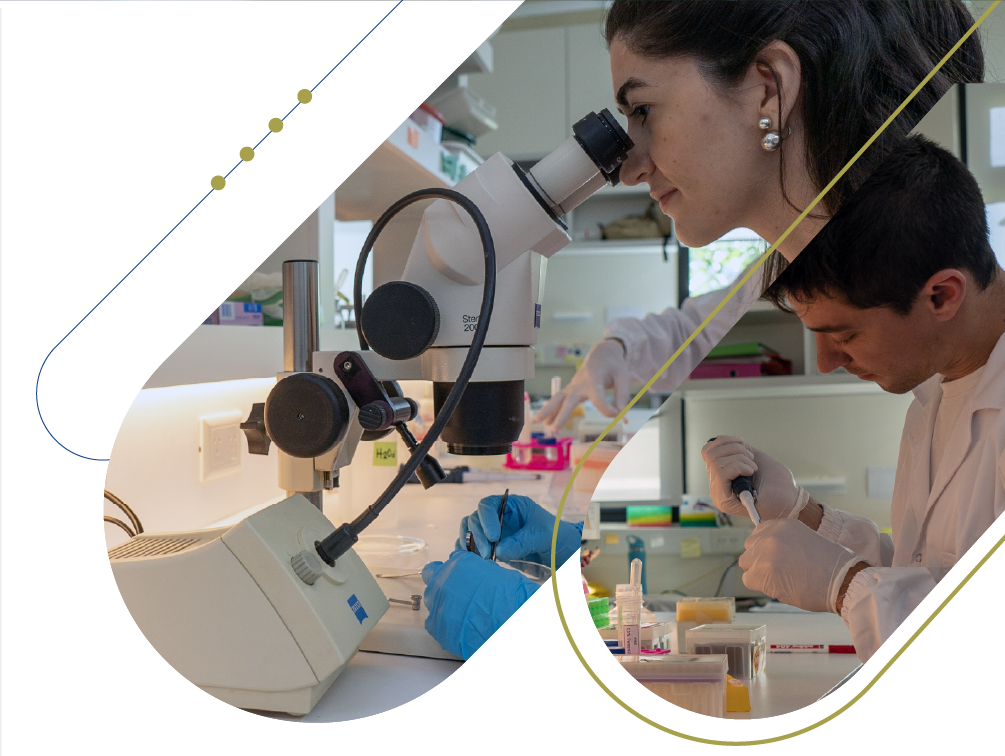
At Fundación Instituto Leloir, we strive to ensure that the knowledge we generate has a positive impact on people’s lives. We do this by developing tools and technologies that support healthcare through prevention, diagnosis, and treatment, as well as providing solutions for key productive sectors such as agriculture and industry.
Leloir’s Legacy
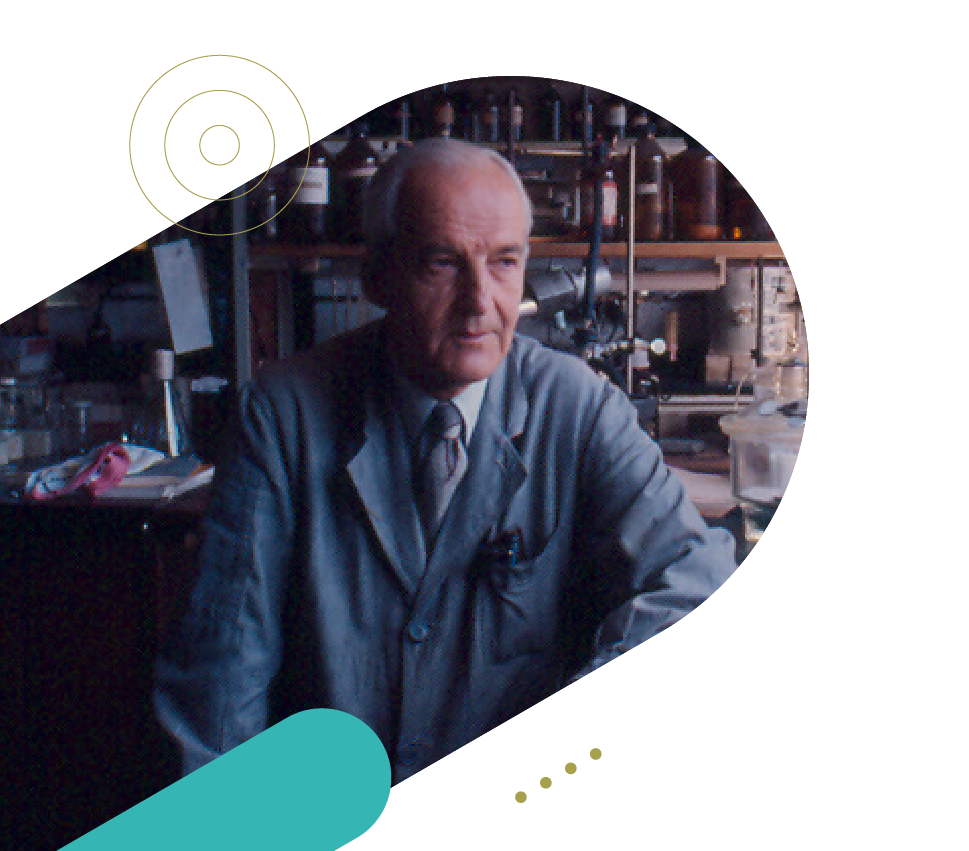
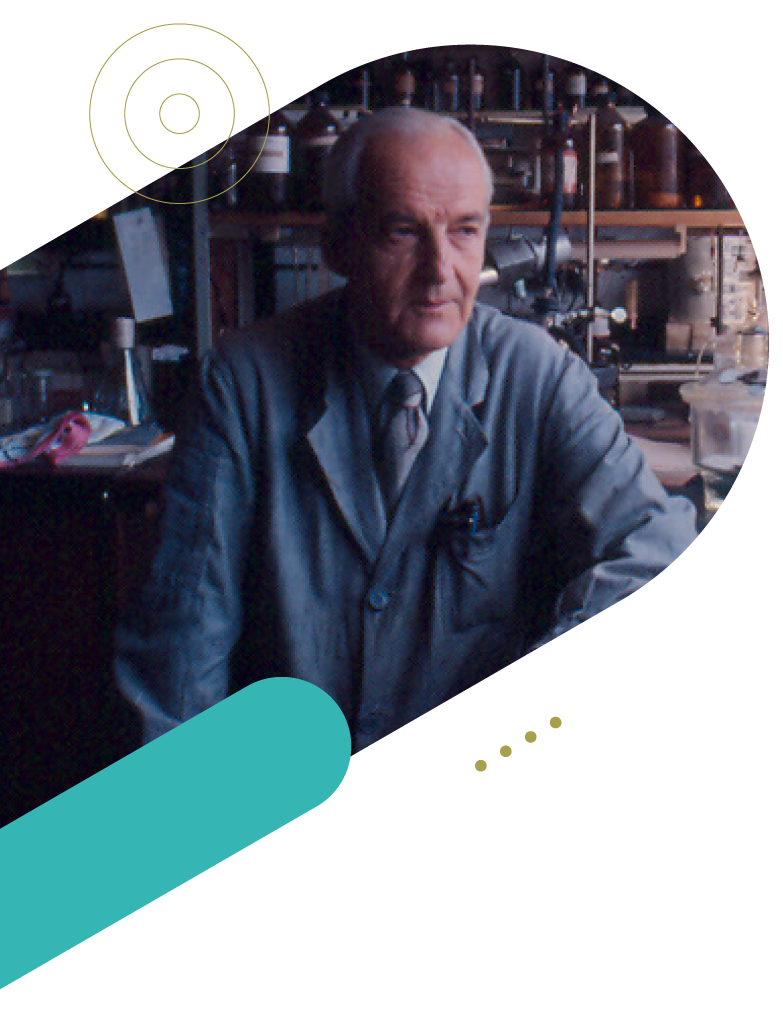
Luis Federico Leloir, Argentina’s first Nobel Laureate in Chemistry (1970), transformed science through his discovery of what was called the “Leloir pathway”, a breakthrough in the understanding of metabolic diseases.
Beyond his scientific discoveries, Leloir left us a lasting legacy: a way of doing science driven by curiosity, collaboration, humility, and a deep commitment to knowledge. He built an institute with a vision for the future—one that continues to push the boundaries of scientific research and lay the groundwork for discoveries that improve lives.
The institute today
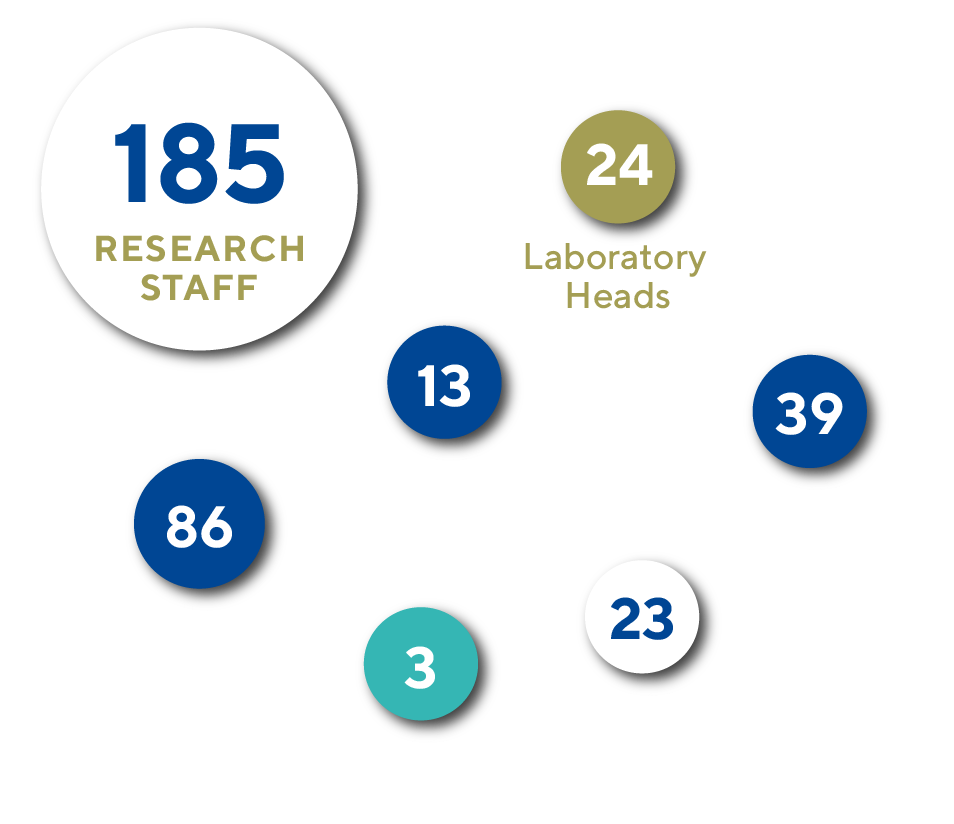
Core facilities
Flow Cytometry | Crystallography | Chromatography | Cell Culture | Plant Culture | Microbiology | Microscopy | NMR
Our mission
Research areas

Understanding all diseases and plagues that can affect us requires comprehending how
different types of cells are generated and organized. Seven FIL laboratories specialize in studying
functional structures in animals and plants.
Laboratories
BOCCACCIO – RNA CELL BIOLOGY
CERIANI – BEHAVIORAL GENETICS
ESTEVEZ – MOLECULAR BASIS OF PLANT DEVELOPMENT
LANUZA – DEVELOPMENTAL NEUROGENETICS
LEDDA – MOLECULAR AND CELLULAR NEUROBIOLOGY
WAPPNER – MOLECULAR PHYSIOLOGY AND GENETICS

Cancer is often the first disease that comes to mind when thinking about lethality. At FIL, we not only research new treatments and prevention methods for various types of tumors but also work to bring hope.
Laboratories
GOTTIFREDI – CELL CYCLE AND GENOMIC STABILITY
PODHAJCER – MOLECULAR AND CELLULAR THERAPY
PRAT GAY – PROTEIN STRUCTURE-FUNCTION AND ENGINEERING LABORATORY

We develop new methodologies to measure, model, predict, and interpret the behavior of biomolecules, both to answer fundamental biological questions and to seek solutions to problems related to the survival of living organisms in a changing environment.
Laboratories
CAPDEVILA – PHYSICAL CHEMISTRY OF INFECTIOUS DISEASES
CARAMELO – STRUCTURAL CELL BIOLOGY
PRAT GAY – PROTEIN STRUCTURE-FUNCTION AND ENGINEERING LABORATORY

Global warming is altering atmospheric conditions necessary for plants to thrive, negatively impacting crop yields essential for food production. At FIL, we aim to develop agriculture that is adaptable to climate change, capable of producing more and better food.
Laboratories
CASAL – MOLECULAR PLANT PHYSIOLOGY
CERDAN – PLANT MOLECULAR BIOLOGY
ESTEVEZ – MOLECULAR BASIS OF PLANT DEVELOPMENT
YANOVSKY – COMPARATIVE DEVELOPMENTAL PLANT GENOMICS

Technology is constantly advancing, including in the scientific field. We develop tools to transform the biological data that constantly emerge into useful information.
Laboratories
MARINO BUSLJE – STRUCTURAL BIOINFORMATICS
CHERNOMORETZ – INTEGRATIVE SYSTEMS BIOLOGY

The brain and its processes remain one of science’s greatest challenges. At FIL, understanding how and why neurodegenerative diseases arise is essential in our efforts to find potential methods for prevention, early detection, and treatment.
Laboratories
CASTAÑO – BRAIN AGING AND NEURODEGENERATION
CERIANI – BEHAVIORAL GENETICS
DI BELLA – IDENTITY AND NEURAL DEVELOPMENT
KROPFF – PHYSIOLOGY AND ALGORITHMS OF THE BRAIN
LANUZA – DEVELOPMENTAL NEUROGENETICS
LEDDA – MOLECULAR AND CELLULAR NEUROBIOLOGY
PITOSSI – REGENERATIVE AND PROTECTIVE THERAPIES OF THE NERVOUS SYSTEM
SCHINDER – NEURONAL PLASTICITY

We coexist with bacteria, viruses, fungi, and parasites—many of which are harmless or even beneficial. However, under certain conditions, some can cause diseases. At FIL, we focus on discovering cures, treatments, and mechanisms for prevention and early detection.